Charting Transaction Flexibility's Role in Advancing Loyalty Hierarchies Within Smartphone-Enabled Spinning and Dealing Formats
Carlo Hoffmann · May 26, 2026
Charting Transaction Flexibility's Role in Advancing Loyalty Hierarchies Within Smartphone-Enabled Spinning and Dealing Formats
Understanding Transaction Flexibility in Mobile Gaming Environments
Data from industry reports shows that transaction flexibility encompasses multiple payment methods, instant processing speeds, and secure verification protocols that allow users to move funds seamlessly across smartphone platforms dedicated to spinning formats like video slots and dealing formats such as live blackjack or roulette tables, and observers note these capabilities integrate directly with loyalty tracking systems to monitor deposit frequency alongside gameplay volume.
Studies conducted by research institutions reveal that players who access diverse options including digital wallets, bank transfers, and cryptocurrency channels tend to maintain consistent activity levels because barriers to funding accounts diminish over time, whereas rigid systems often lead to interruptions that stall progression through tiered reward structures.
How Flexible Payments Shape Loyalty Progression Patterns
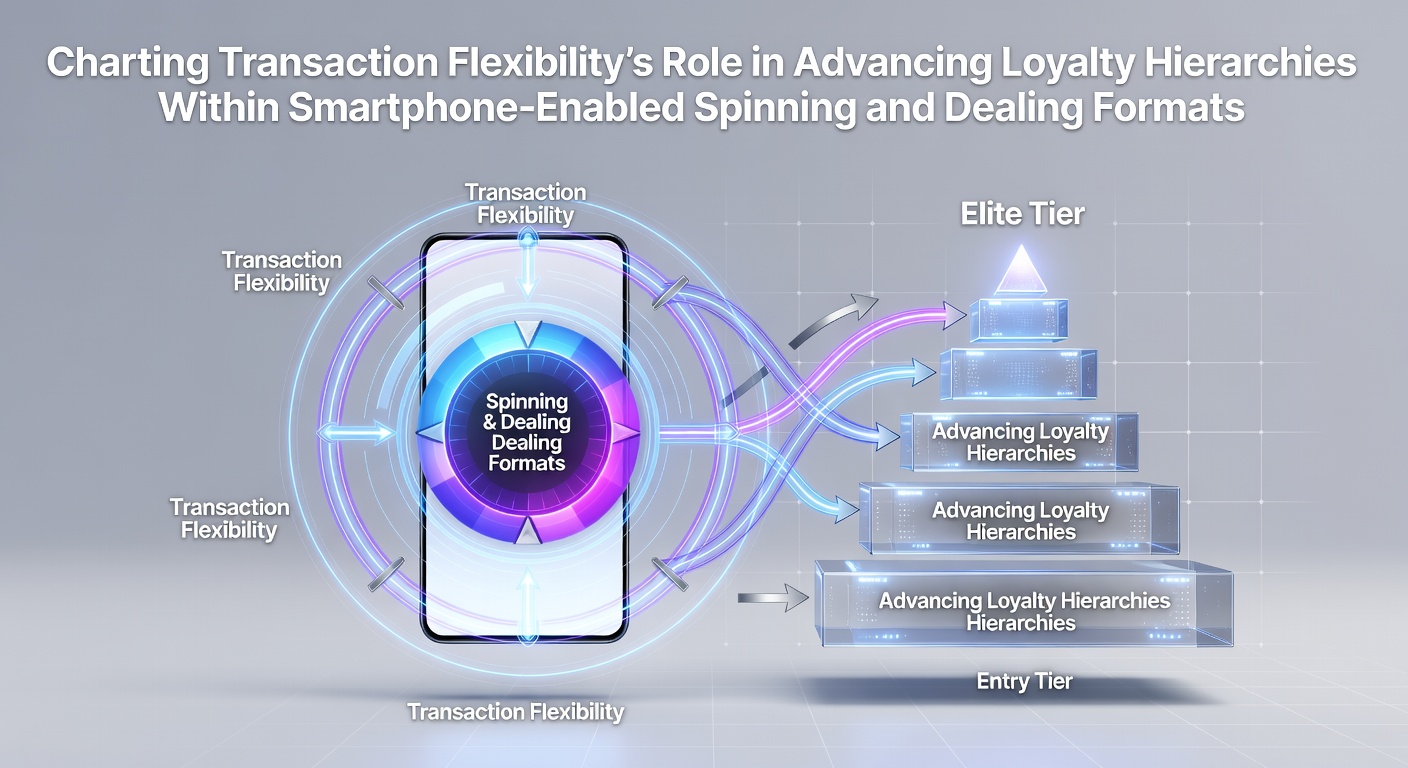
Transaction flexibility connects to loyalty hierarchies when platforms automatically credit points based on deposit amounts and withdrawal efficiency, so users who complete seamless transfers receive accelerated tier advancements from entry-level bronze status toward higher silver or gold designations that unlock exclusive spinning bonuses and priority access to dealing tables, and this linkage appears in data collected from multiple operators during early 2026 monitoring periods.
One documented case involved a regional platform where integration of instant verification tools enabled participants to climb three loyalty levels within a single month because repeated small deposits triggered cumulative rewards without processing delays, and similar patterns emerged in analyses from North American markets where mobile spinning sessions increased by measurable margins after payment diversification.
Yet the process requires careful calibration because excessive speed in transactions can sometimes outpace responsible gaming safeguards, although regulators in various jurisdictions continue to refine guidelines that balance flexibility with user protection measures.
Smartphone Integration and Real-Time Tier Tracking
Mobile applications now embed loyalty dashboards that update in real time as transactions occur, allowing participants engaged in spinning and dealing formats to view their current hierarchy position immediately after each deposit or withdrawal, and this visibility encourages sustained engagement because users receive instant feedback on how their payment choices influence reward accumulation.
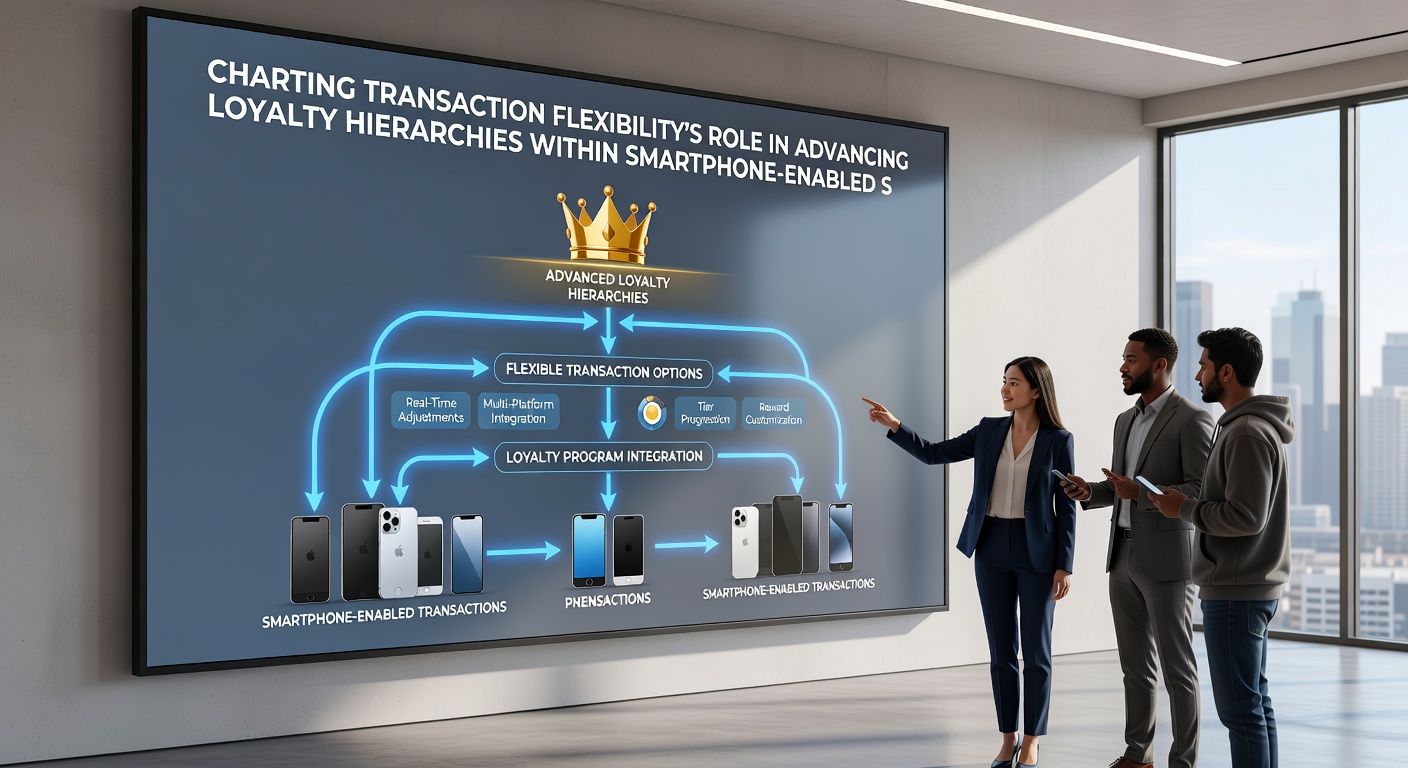
According to findings presented by the American Gaming Association in their quarterly summaries, mobile-enabled formats accounted for rising shares of total gaming activity through May 2026, with transaction flexibility cited as a contributing factor that supports loyalty retention across demographic groups.
Platforms that combine biometric authentication with flexible funding sources report higher completion rates for tier advancement milestones, and those who've examined user behavior data note that seamless cross-border payment support further expands access for international participants seeking to build consistent play records.
Regional Examples and Industry Data Trends
European operators have implemented transaction frameworks aligned with Malta Gaming Authority standards that emphasize rapid settlement times, resulting in documented improvements to loyalty hierarchy navigation for smartphone users focused on dealing formats, while Australian research from the Centre for Gambling Education and Research indicates parallel outcomes where flexible options correlate with extended session durations in spinning games.
But here's the thing: these advancements depend on infrastructure quality, so regions with stronger mobile networks demonstrate clearer connections between payment versatility and tier progression compared to areas still developing digital payment ecosystems.
Industry organizations tracking global trends through May 2026 recorded that loyalty programs incorporating transaction-based accelerators saw participation rates climb steadily, particularly among users who combined multiple payment types within single gaming sessions.
Future Directions for Integrated Systems
Developments in application programming interfaces continue to link payment processors more tightly with loyalty engines, enabling predictive adjustments that reward consistent transaction patterns with targeted offers for both spinning and dealing content, and this evolution builds on existing data sets that demonstrate measurable retention benefits when flexibility aligns with hierarchy incentives.
Observers note that platforms adopting these integrations often reference compliance frameworks from bodies like the Nevada Gaming Control Board to maintain operational standards across jurisdictions, and the result appears in smoother user experiences that support ongoing advancement through loyalty structures without unnecessary friction.
Conclusion
Transaction flexibility serves as a foundational element that connects payment processes directly to loyalty hierarchy advancement in smartphone-enabled spinning and dealing formats, with available data indicating sustained growth in user engagement metrics through structured reward pathways. Continued refinement of these systems alongside regulatory oversight from diverse regional authorities promises further alignment between transaction options and tiered benefits as mobile gaming landscapes expand.