Decoding Algorithmic Payout Distributions in High-Volume Digital Slot Networks
Riley Hughes · May 29, 2026

Decoding Algorithmic Payout Distributions in High-Volume Digital Slot Networks
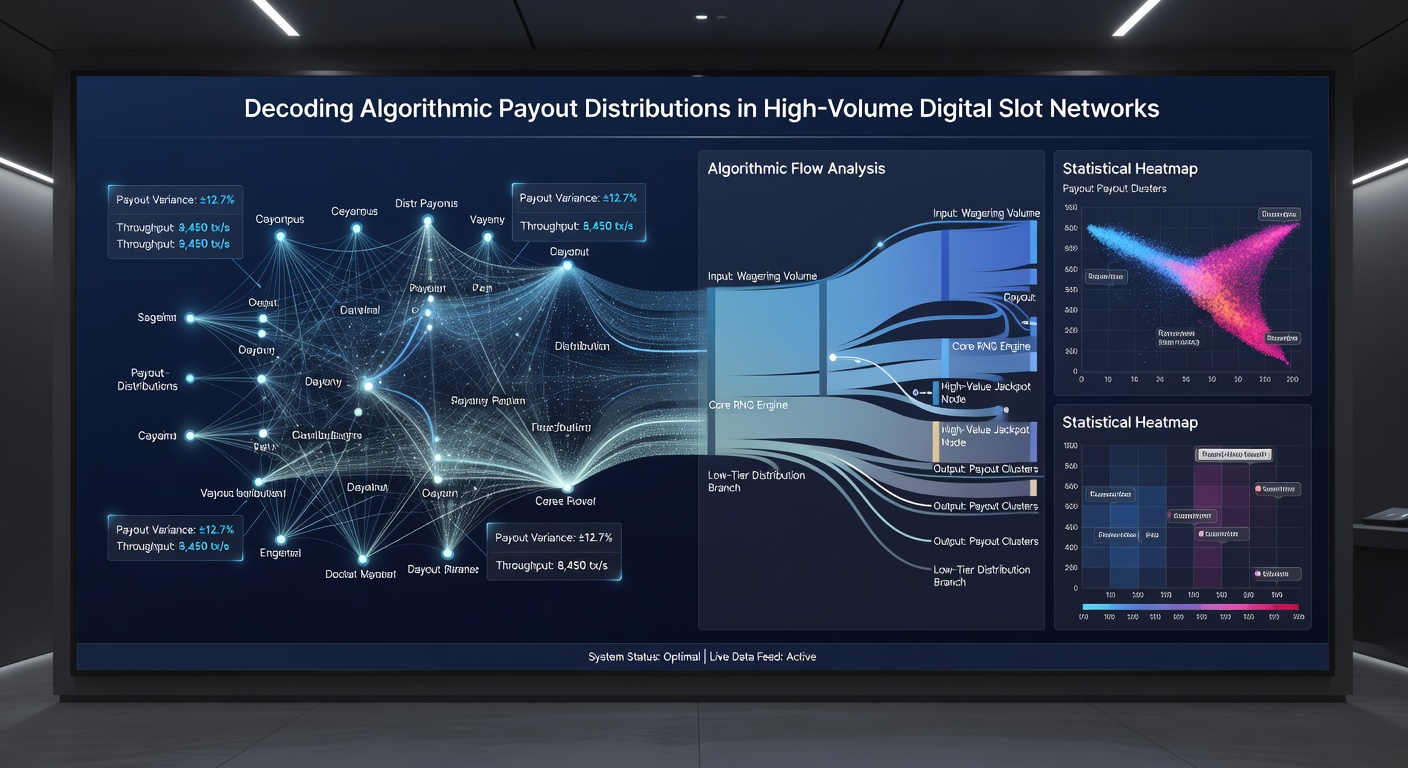
High-volume digital slot networks rely on complex algorithms to manage payout distributions across millions of transactions daily, and these systems combine random number generators with predefined return-to-player percentages that operators configure according to jurisdictional requirements. Researchers have documented how these algorithms process inputs from certified RNG modules, then apply weighted tables that determine symbol combinations and bonus triggers while maintaining overall payout ratios that typically range between 92 and 98 percent depending on the game variant. Operators deploy these networks through centralized servers that handle concurrent sessions from thousands of users simultaneously, and data centers in multiple regions synchronize real-time adjustments to volatility settings without interrupting active play. According to reports from the Nevada Gaming Control Board, such synchronization protocols undergo mandatory audits every quarter to verify that payout distributions remain consistent with approved mathematical models.Core Components of RNG-Driven Payout Systems
Random number generators form the foundation of every digital slot outcome, yet the surrounding algorithmic layers determine how frequently certain results appear over extended play periods. These layers incorporate virtual reel mapping techniques that expand the effective number of stops beyond physical reel limits, which allows designers to fine-tune hit frequencies while preserving the target RTP value. Studies from the University of Nevada, Reno have examined how pseudo-random sequences pass statistical tests for uniformity before regulators grant certification, and the findings show that even minor deviations in seed generation can shift long-term payout curves if left unchecked. High-volume environments amplify these effects because small percentage variations compound across large transaction volumes.Network Architecture and Distribution Scaling
Digital slot networks scale payout calculations across distributed architectures that separate game logic from financial settlement modules, and this separation enables rapid deployment of new titles without recalibrating entire payout engines. Load balancers route player requests to available nodes while each node maintains its own copy of the approved RNG state, which ensures continuity during peak traffic periods such as major sporting events or holiday weekends. In May 2026 several North American operators reported integrating containerized microservices that isolate payout distribution logic, and these updates allowed independent scaling of bonus round calculations separate from base game spins. The approach reduces latency for players while preserving the integrity of the underlying probability tables.