Deposit Channels Guiding Play Patterns Across App-Based Reel and Dealer Experiences
Yara Keller · Jun 26, 2026

Deposit Channels Guiding Play Patterns Across App-Based Reel and Dealer Experiences
App-based casino platforms have seen deposit channels evolve into key factors that shape how users approach reel spins and dealer-led sessions, with transaction speed, fees, and integration options directly influencing session length and game selection. Data from regulatory filings and industry reports indicate that payment methods such as e-wallets, bank transfers, and instant card options create distinct behavioral patterns across handheld devices.
Transaction Speed and Game Choice
Instant deposit methods tend to steer players toward high-frequency reel games, where quick top-ups support continuous spin sequences without interruption, whereas slower verification processes often align with extended dealer table sessions that require less frequent funding. Research compiled by the Nevada Gaming Control Board shows that mobile sessions funded through real-time gateways average shorter intervals between reel plays compared to those routed through traditional banking rails.
Observers note that platforms offering multiple deposit tiers allow users to switch between formats fluidly, and those who maintain separate channels for reels versus live tables frequently report higher overall engagement levels. In June 2026, several operators updated their apps to highlight deposit speed indicators directly on game lobbies, making the connection between funding method and play rhythm more visible to participants.
Regional Variations in Payment Influence
European markets demonstrate stronger correlations between prepaid card usage and table game preferences, while North American users show elevated reel activity when cryptocurrency gateways appear as options. Figures released by iGaming Ontario reveal that deposit channel diversity correlates with a 12 percent shift in average time spent on dealer tables versus slots within the same app environment.
What's notable is how loyalty structures integrate with these channels, as instant transfer users accumulate reward points at accelerated rates on certain reel titles, prompting repeated funding through the same pathway. One documented case involved an operator adjusting bonus multipliers based on deposit origin, which redirected a measurable portion of activity away from live dealer variants toward automated reel sequences.
Security Protocols and User Navigation
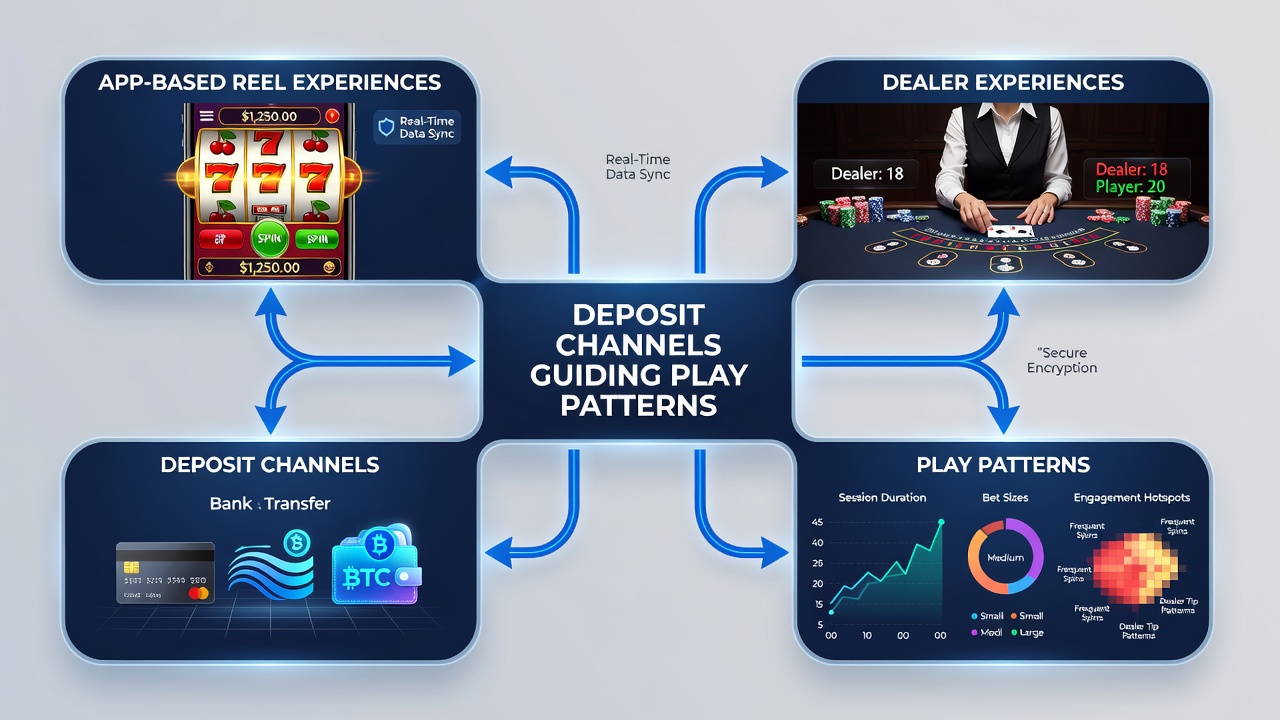
Encryption standards and two-factor authentication requirements attached to specific deposit channels also affect navigation decisions, with users favoring streamlined options for brief reel sessions and more robust verification flows for longer dealer engagements. According to a report issued by the Casino Regulatory Authority of Singapore, platforms that embed security status indicators beside each payment method experience reduced abandonment rates during mid-session deposits.
Experts have observed that these indicators help maintain momentum across game types, particularly when players transition from reels to tables within a single app session. Data indicates that seamless channel switching reduces the likelihood of session termination, allowing patterns to develop where users alternate formats based on available funding speed.
Loyalty Pathways and Channel Preferences
Tiered reward systems increasingly tie progression milestones to deposit frequency and type, creating feedback loops that reinforce particular play patterns. Users who consistently select instant options often advance through loyalty levels while favoring reel-heavy portfolios, whereas those relying on scheduled bank transfers show steadier participation in dealer formats according to aggregated platform analytics.
Analysts tracking these dynamics point to integration features such as one-tap re-deposits that keep players within preferred game categories. In practice, this means reel enthusiasts maintain shorter but more numerous sessions funded rapidly, while table participants build longer, more deliberate engagements supported by reliable but slower channels.
Future Developments in Channel Integration
Platform updates scheduled through late 2026 aim to further embed deposit channel data into personalized game recommendations, potentially sharpening the distinction between reel and dealer trajectories. Regulatory bodies across multiple jurisdictions continue to monitor how these integrations affect responsible play metrics without imposing uniform standards.
Evidence from industry associations suggests that transparent display of channel impacts on play duration helps users make informed selections aligned with their preferred session styles. Those monitoring trends expect continued refinement of these systems as app-based reel and dealer experiences expand their payment ecosystems.
Conclusion
Deposit channels function as structural elements that organize play patterns across mobile reel and dealer formats by linking transaction characteristics to session behaviors and reward accumulation. Available data demonstrates measurable differences in how users allocate time and funding depending on the speed, security, and integration level of each method, with patterns emerging consistently across regional markets. Continued platform evolution will likely deepen these connections while maintaining compliance with existing oversight frameworks.