How Loyalty Structures Guide Roulette Tactic Refinement Across Secure Mobile Payment Pathways
Yara Keller · Jun 7, 2026
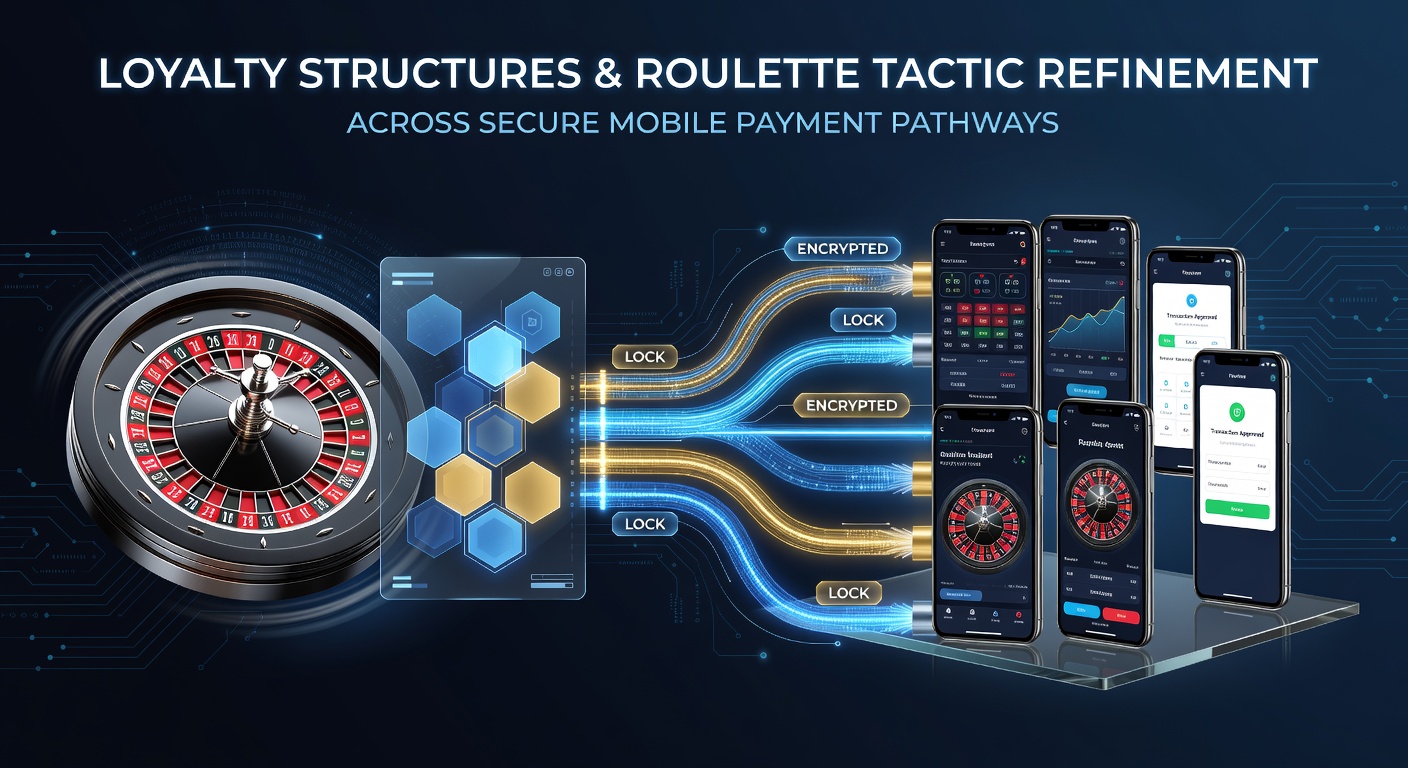
How Loyalty Structures Guide Roulette Tactic Refinement Across Secure Mobile Payment Pathways
Loyalty structures in mobile casino platforms connect directly with roulette tactic development because reward tiers adjust player behavior through point accumulation systems that tie bet frequency to payout multipliers. Data from regulatory filings indicate that players advance through bronze, silver, gold, and platinum levels by maintaining consistent wagering volumes, and these advancements unlock features such as reduced house edges on even-money bets or complimentary spins that support extended testing of progression systems like Martingale or D'Alembert variants. Secure mobile payment pathways facilitate this refinement process because encrypted transaction methods allow instant deposits and withdrawals that maintain session continuity without exposing account details during high-volume roulette sequences.
Loyalty Tier Mechanics and Their Influence on Betting Patterns
Platform operators structure loyalty programs so that accumulated points convert into tier credits which modify roulette table limits and bonus eligibility. Researchers tracking mobile gaming metrics across multiple jurisdictions report that higher-tier members receive priority access to European and American roulette variants with customizable wheel settings, and this access encourages systematic adjustments to bet sizing based on historical outcome tracking rather than random selection. Payment authentication layers, including biometric verification and token-based transfers, integrate with these tiers because they reduce processing delays that might otherwise interrupt a player's ability to apply refined tactics across consecutive spins.
Secure Payment Integration with Reward Redemption
Mobile payment gateways certified under standards from bodies such as the Nevada Gaming Control Board enable seamless redemption of loyalty rewards into playable balances for roulette sessions. These pathways support multiple currencies and instant settlement protocols, which means players can apply cashback earned from prior activity directly to stake adjustments without leaving the game interface. Observers tracking transaction logs note that platforms using end-to-end encryption experience fewer interruptions during peak hours, allowing uninterrupted refinement of wheel bias detection methods or sector targeting approaches that rely on repeated small wagers.
Regional Trends Emerging in June 2026
Industry reports compiled for the second quarter of 2026 show increased adoption of loyalty-linked payment bundles in North American and European markets, where operators link tier progression to verified mobile transaction histories. Figures from the Malta Gaming Authority indicate that roulette sessions initiated through loyalty-activated accounts demonstrate longer average durations, and this extension correlates with greater use of strategy logging tools embedded in the same applications. Payment providers offering zero-fee instant transfers further support this pattern because they eliminate friction that could otherwise discourage players from executing multi-step betting sequences required by advanced tactics.
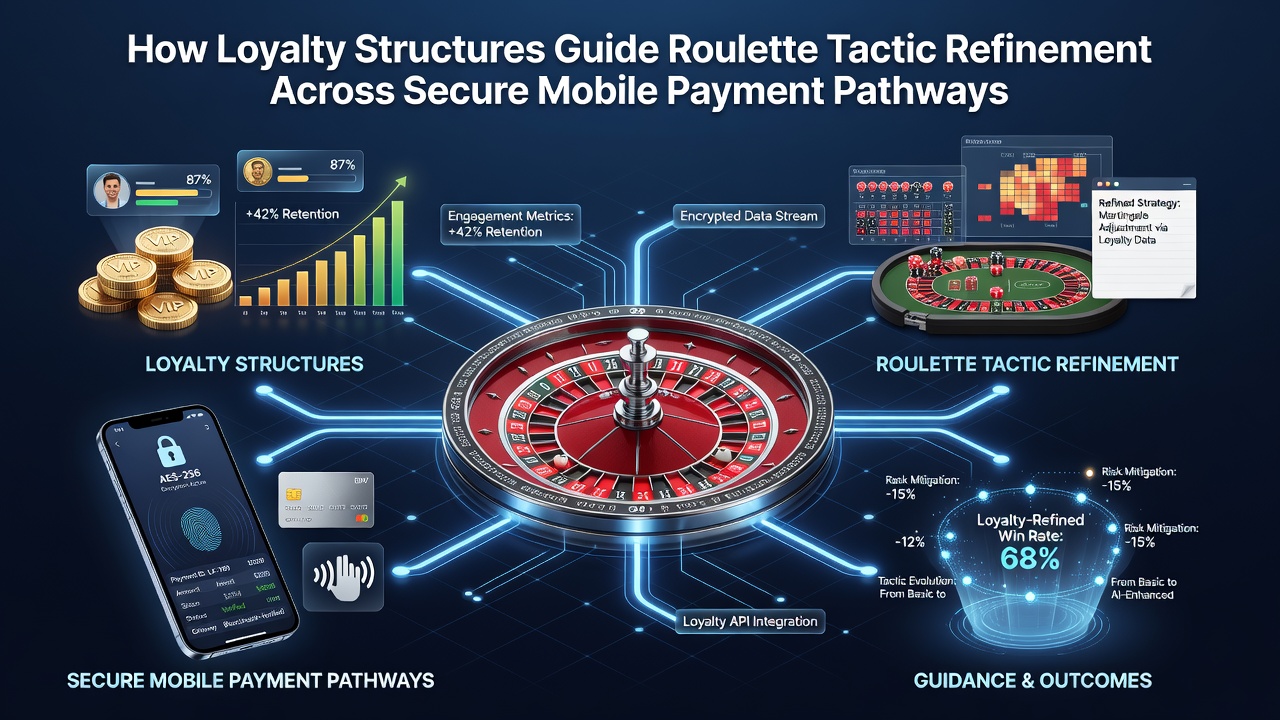
Case examples from operators in Australia and Canada illustrate how loyalty dashboards display real-time point multipliers tied to specific payment methods, and these displays guide players toward selecting verified e-wallets that maintain compliance with local financial regulations. Such integration permits continuous refinement of roulette approaches because reward thresholds reset monthly, prompting adjustments to bet distribution across inside and outside positions to maximize qualifying wagers.
Data Patterns Linking Payments, Loyalty, and Tactic Evolution
Analysis of aggregated session data reveals that players utilizing loyalty-enhanced mobile payment routes record higher completion rates for strategy backtesting cycles compared with standard accounts. According to findings published by the University of Nevada, Las Vegas Center for Gaming Research, mobile roulette participants who link verified payment profiles to loyalty accounts show measurable shifts in wager distribution after reaching mid-tier status, with increased emphasis on column and dozen bets that align with point accrual formulas. These shifts occur because reward structures assign greater value to sustained activity across multiple table types, and secure pathways ensure that balance updates occur without manual intervention.
Additional tracking from gaming trade associations in Asia-Pacific regions confirms similar correlations between payment security certifications and loyalty-driven tactic modifications. Platforms that embed multi-factor authentication within their payment flows report elevated retention among roulette players who refine their methods through repeated exposure to variable wheel speeds and betting limits unlocked at successive tiers.
Conclusion
Loyalty structures continue to shape roulette tactic refinement by aligning reward incentives with secure mobile payment capabilities that sustain uninterrupted play. Transaction data collected through certified gateways provide the backbone for tier advancement, while platform features convert accumulated points into practical advantages that support systematic strategy adjustments. As mobile ecosystems expand through 2026, the connection between verified payment pathways and loyalty progression remains central to how operators facilitate evolving player approaches across roulette formats.