How Secure Banking Integrations Shape Attention Across Mobile Live Table Options
Yara Keller · Aug 16, 2026
How Secure Banking Integrations Shape Attention Across Mobile Live Table Options
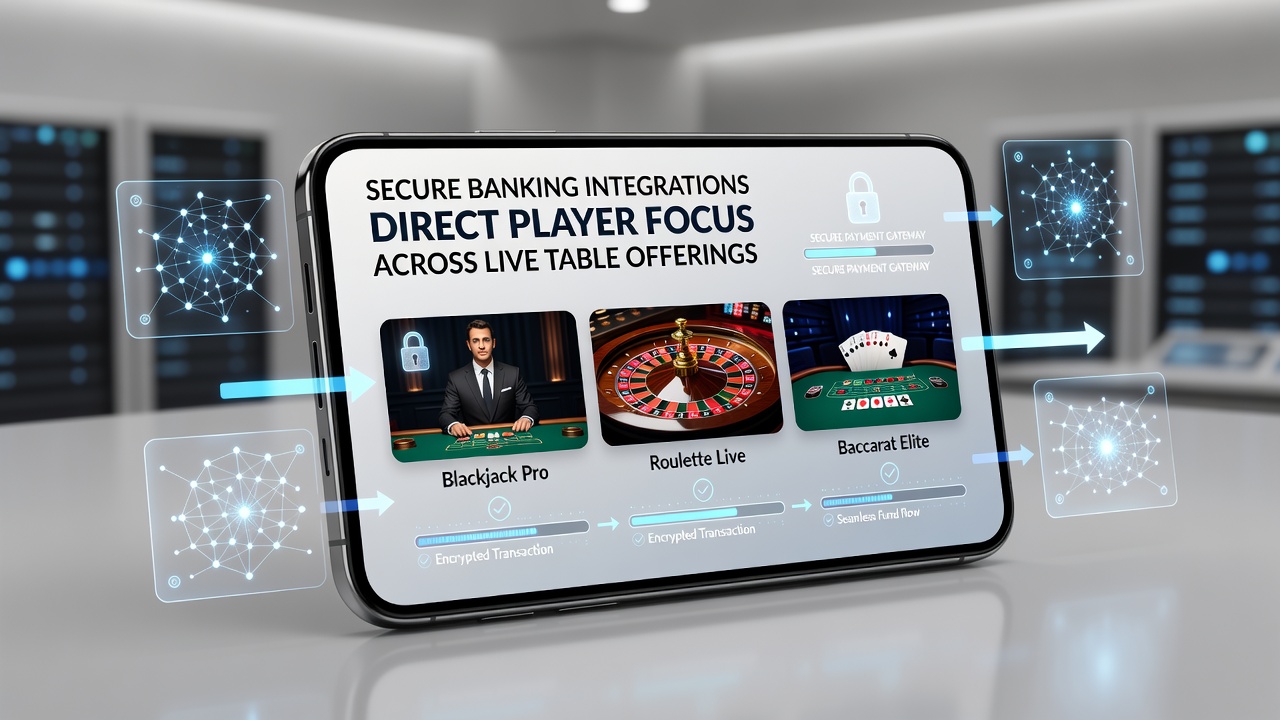
Secure banking integrations have become central to how players navigate live table offerings on smartphone interfaces, and data from multiple markets shows clear patterns in where attention lands once deposits clear without friction. In August 2026 several major operators reported that platforms with tokenized payment gateways and instant verification saw higher session times on blackjack and baccarat tables compared with roulette variants, a shift tied directly to reduced checkout steps.
Integration Standards and Mobile Interface Design
Operators now embed PCI-DSS compliant modules that authenticate users through biometric prompts and bank-level encryption, and these layers sit inside the same app view that displays dealer streams. Researchers at the University of Nevada Reno documented that when transfer confirmation occurs in under three seconds, players tend to remain on the first live table they select rather than cycling through multiple options. The same study noted that interfaces displaying real-time balance updates after each deposit keep users focused on strategy adjustments instead of balance checks.
Payment rails such as open banking APIs and digital wallet bridges have expanded across North American and European markets, and regulators in Pennsylvania and Malta both require audit trails that link every transaction to a specific game session. This requirement has prompted developers to surface deposit buttons directly beside table selection grids, which in turn guides the eye toward tables that accept the player's preferred funding method.
Observed Shifts in Live Table Preferences
Analytics from the American Gaming Association indicate that in the first half of 2026, mobile users with pre-approved banking profiles spent 28 percent more time at live dealer blackjack tables than at roulette wheels when instant transfers were available. The pattern holds across different device sizes, and operators attribute the difference to the ability to top up mid-hand without leaving the table view.
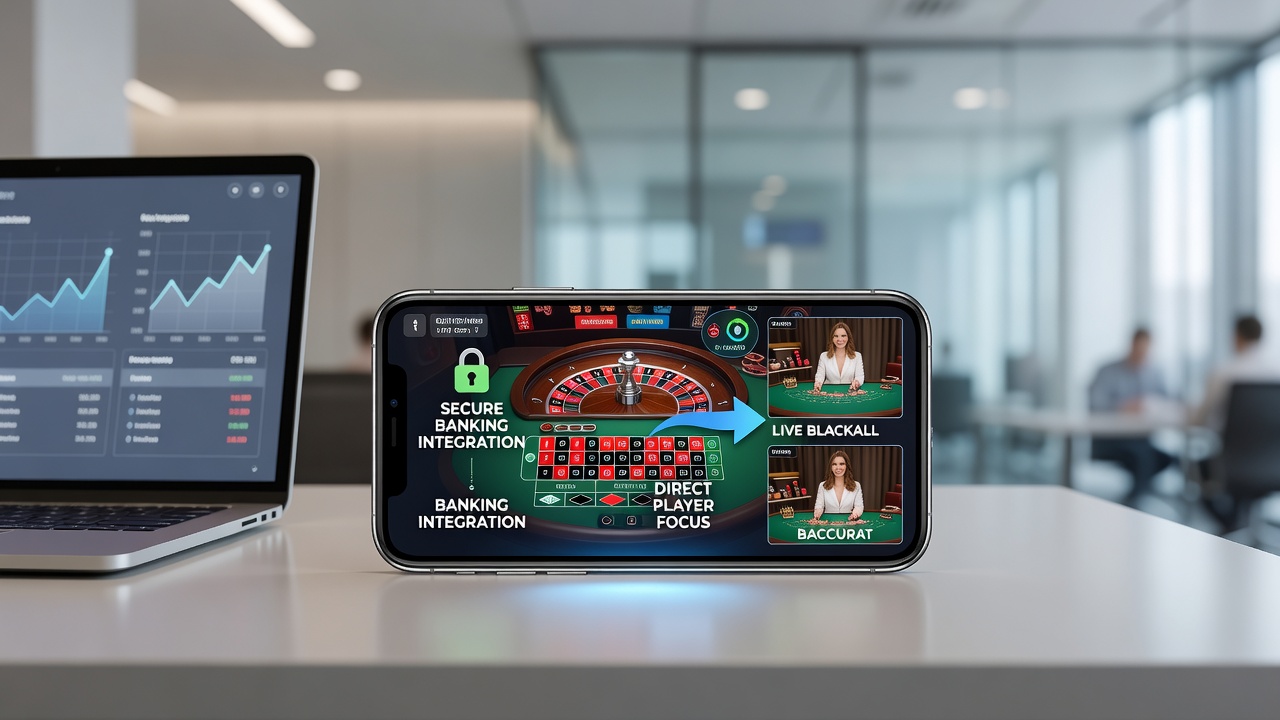
Those who studied transaction logs across several platforms found that once a secure integration removes the need for repeated password entry, players explore side bets and rule variations more readily. In contrast, users who encounter a manual verification screen often abandon the current table and search for simpler game types. The European Gaming and Betting Association published quarterly figures showing similar behavior in regulated markets where open banking became mandatory in 2025.
Regulatory Context and Security Protocols
Gaming control boards in multiple jurisdictions now mandate that every mobile transaction carry a unique session token, and this rule has forced developers to redesign table interfaces around visible security indicators. Green lock icons and progress bars appear beside each dealer feed, reassuring users that their banking details remain isolated from the game server. Observers note that these visual cues reduce hesitation when players decide whether to join a high-limit table or stay at standard stakes.
August 2026 updates from several Canadian provincial regulators highlighted a drop in chargeback rates after operators adopted real-time fraud scoring tied to banking integrations. Lower dispute volumes allow platforms to offer higher table limits on mobile without additional approval steps, and players respond by concentrating play on fewer but higher-value sessions.
Future Interface Adjustments
Developers continue to test predictive funding prompts that appear only when a player’s balance falls below a threshold calculated from past session data. Early trials indicate that these context-aware suggestions keep users inside the same live table rather than prompting a switch to slots or other formats. Industry reports suggest the next wave of integrations will include cross-border wallet compatibility, which could further standardize how attention flows across different live offerings on handheld devices.
Conclusion
Secure banking integrations now function as an invisible steering mechanism within smartphone casino apps, directing focus toward specific live tables through speed, visibility, and regulatory compliance. Data collected through mid-2026 demonstrates measurable differences in dwell time and table selection once friction at the deposit stage is removed, and ongoing protocol refinements point to continued evolution in how players engage with dealer-hosted games on mobile screens.