Mapping Initial Reward Structures to Preferences for Electronic Poker Derivatives Within Portable Gaming Ecosystems
Yara Keller · Aug 18, 2026

Mapping Initial Reward Structures to Preferences for Electronic Poker Derivatives Within Portable Gaming Ecosystems
Electronic poker derivatives on mobile platforms continue to draw player attention through structured reward systems that link early incentives directly to game variant selection, and data from industry reports in August 2026 show measurable shifts in how users engage with variants such as video poker, draw poker adaptations, and multi-hand formats. Researchers tracking portable gaming ecosystems note that initial reward structures, including sign-up bonuses and first-deposit multipliers, often correlate with preferences for lower-volatility derivatives that allow extended play sessions before bonus requirements expire.
Core Components of Reward Mapping in Mobile Poker
Portable gaming operators deploy reward frameworks that assign point values or cashback percentages based on wager volume across specific poker derivatives, and analysts at regulatory bodies such as the Pennsylvania Gaming Control Board document these patterns through quarterly transaction logs. These systems typically begin with welcome packages that credit users for completing introductory hands in designated variants, which in turn steers new accounts toward formats like Jacks or Better video poker rather than higher-stakes Omaha derivatives. Evidence from transaction datasets indicates that players who receive tiered daily login rewards complete more hands in electronic draw poker variants during the first seven days after registration, while those offered free spin equivalents on reel-adjacent poker hybrids migrate toward multi-hand video poker options.
Studies compiled by academic research teams at institutions focused on digital entertainment economics reveal consistent correlations between reward timing and variant persistence, because immediate cashback on losses encourages repeated sessions in variants with shorter hand durations. Observers note that loyalty hierarchies integrated into mobile apps further refine these preferences by unlocking variant-specific multipliers once initial reward thresholds are met, and figures from North American operators confirm higher retention rates for users who start with bonus-eligible video poker derivatives compared with those directed toward table-style poker simulations.
Influence of Bonus Mechanics on Derivative Selection
Initial reward structures frequently incorporate playthrough conditions that favor certain electronic poker derivatives based on their return-to-player percentages and hand frequency, and August 2026 revenue summaries from multiple jurisdictions illustrate elevated activity in variants that satisfy wagering requirements faster. For instance, operators structure no-deposit bonuses to apply only to specific poker apps within their libraries, which channels player exploration toward electronic adaptations of classic draw games over hybrid table derivatives. Data indicates that when reward credits carry time limits, users gravitate toward faster-paced video poker formats that allow quicker completion of required wagers, whereas extended bonus windows correlate with increased trials of slower multi-player poker derivatives available on the same portable platforms.
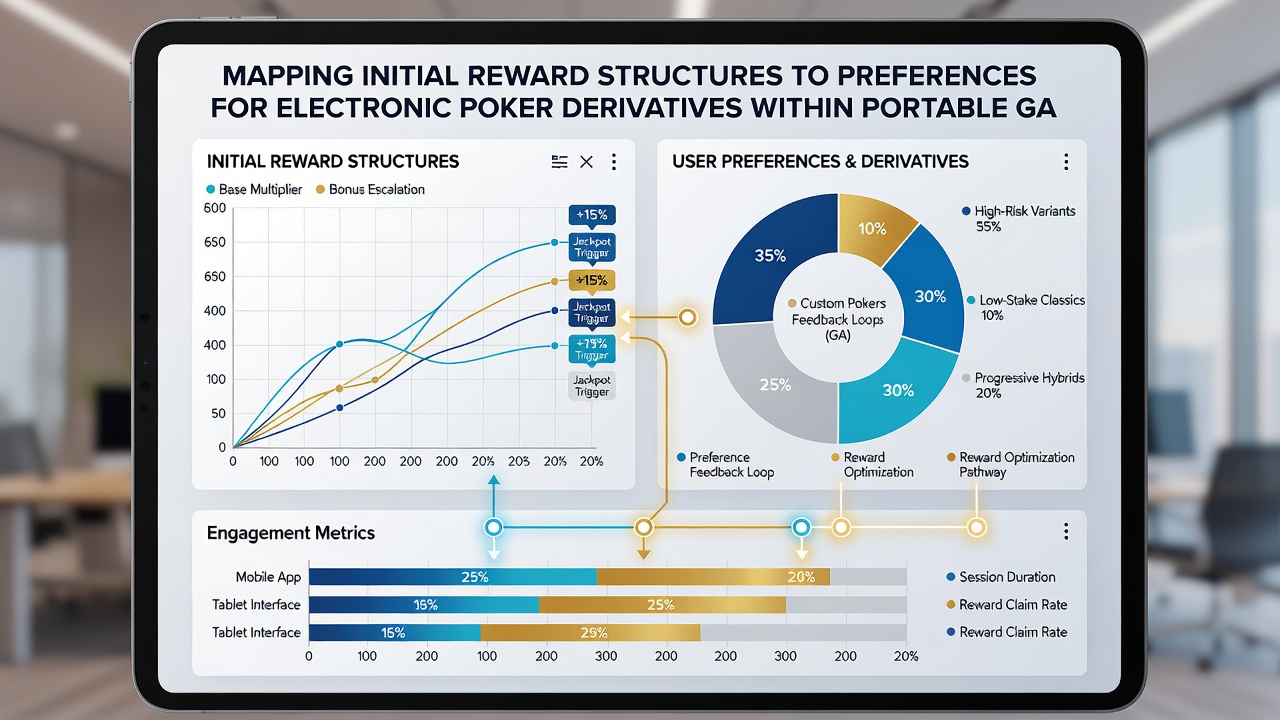
Payment integration within reward ecosystems adds another layer, because instant deposit bonuses tied to certain banking methods steer users toward poker derivatives that accept those same funding channels without additional fees. Reports from Canadian provincial gaming authorities show that players utilizing e-wallet rewards complete more hands in electronic poker variants optimized for quick reloads, while credit card bonus users show steadier engagement with variants featuring progressive side bets. Those patterns emerge clearly in aggregated session data, where reward mapping algorithms adjust offered variants in real time based on a player's early deposit behavior and completion rates.
Regional Patterns and Ecosystem Data
August 2026 figures from operators across multiple markets demonstrate that reward structures calibrated to regional player demographics produce distinct preference clusters, and Australian research groups tracking mobile gaming report stronger uptake of video poker derivatives among users receiving milestone-based loyalty credits. In contrast, European datasets highlight preferences for draw poker adaptations when initial rewards include free-to-play tournament entries. These geographic differences arise because reward algorithms incorporate local regulatory constraints on bonus structures, which in turn shape the electronic poker variants promoted during onboarding sequences.
Industry organizations such as the European Gaming and Betting Association compile cross-border comparisons that link reward redemption rates to derivative popularity, and their reports note that portable ecosystems using unified reward ledgers across multiple poker variants achieve broader distribution of player activity. Observers tracking these ecosystems find that when reward points convert at variable rates depending on the derivative played, users develop measurable biases toward formats that maximize point accumulation per session length.
Conclusion
Mapping initial reward structures to preferences for electronic poker derivatives within portable gaming ecosystems relies on observable connections between bonus mechanics, variant-specific wagering requirements, and session data collected across August 2026. Regulatory records, academic analyses, and operator reports together establish that early incentives directly influence which derivatives receive sustained attention on mobile platforms, and these patterns continue to evolve alongside updates to loyalty hierarchies and payment integrations. Continued examination of transaction logs from diverse jurisdictions will clarify how reward frameworks further refine user pathways through the expanding range of electronic poker options.