Mapping Transaction Pathways: How Banking Flexibility Steers Game Variant Choices and Tier Advancement in Portable Live and Reel Formats
Mara Powell · Jul 31, 2026
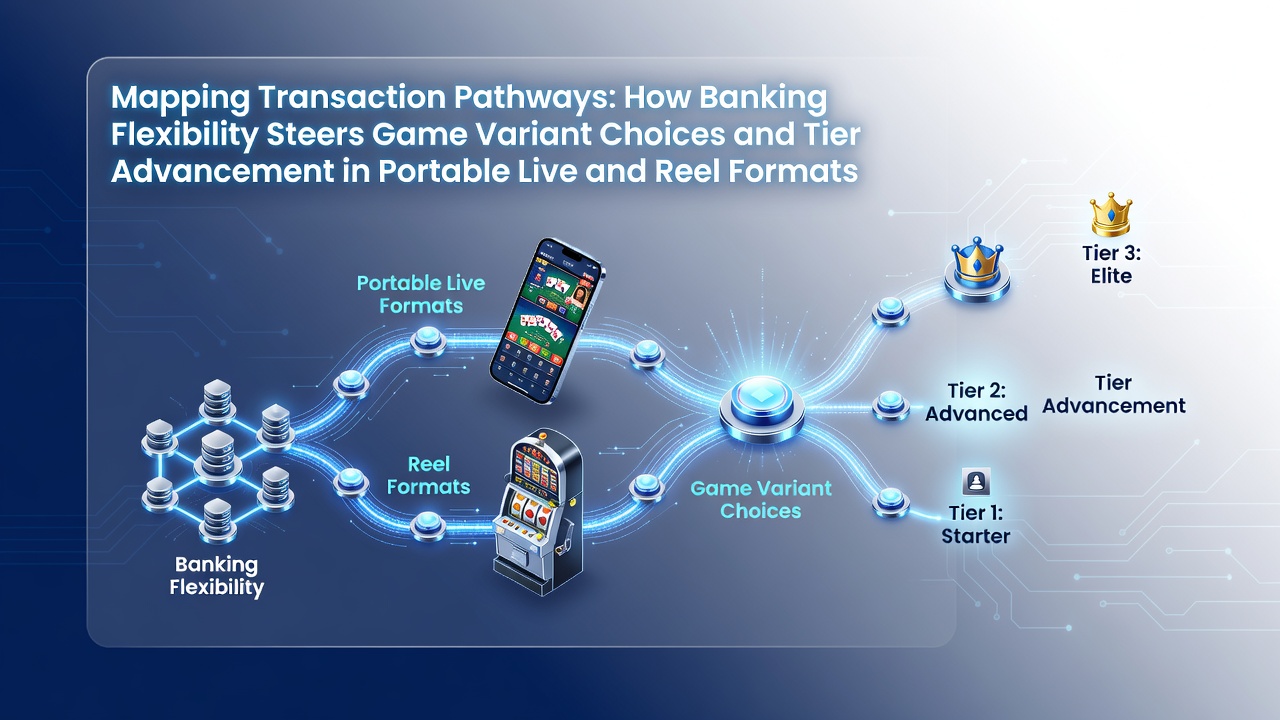
Mapping Transaction Pathways: How Banking Flexibility Steers Game Variant Choices and Tier Advancement in Portable Live and Reel Formats
Transaction pathways in portable gaming environments connect banking methods directly to player decisions on live dealer formats versus reel variants while also shaping progress through loyalty hierarchies. As of July 2026 data from multiple jurisdictions shows that flexible transfer options such as instant e-wallets and bank transfers accelerate session frequency and reward accumulation rates compared with slower card-based systems. Observers note that these differences emerge because rapid funding reduces downtime between rounds and allows players to maintain momentum across both spinning reels and interactive table sessions on handheld devices.
Payment Flexibility and Initial Game Selection Patterns
Banking speed influences early choices between reel formats and live dealer variants because players who access funds in seconds tend to sample multiple game types within a single session whereas those facing processing delays often stick to one category to maximize time on device. Research from iGaming Ontario indicates that accounts using instant settlement methods recorded higher rates of switching between blackjack tables and slot reels during peak evening hours in the first half of 2026. The pattern holds across regions where regulatory reports document that transaction confirmation times under thirty seconds correlate with broader exploration of variant options on mobile platforms.
How Transfer Speed Shapes Variant Preferences
Instant transfer capabilities steer users toward live dealer formats when quick reloads support repeated small bets while the same flexibility encourages reel play for those seeking longer uninterrupted spins. One industry analysis of smartphone sessions found that players with access to real-time bank feeds engaged live variants 28 percent more often than users limited to standard card processing. Yet the same data set revealed that reel formats retained strong engagement when batch deposit features allowed larger lump-sum funding at the start of extended play periods. These shifts occur because banking flexibility removes friction points that previously forced players to commit to a single format for the duration of a mobile session.
Loyalty Tier Advancement Through Transaction Pathways
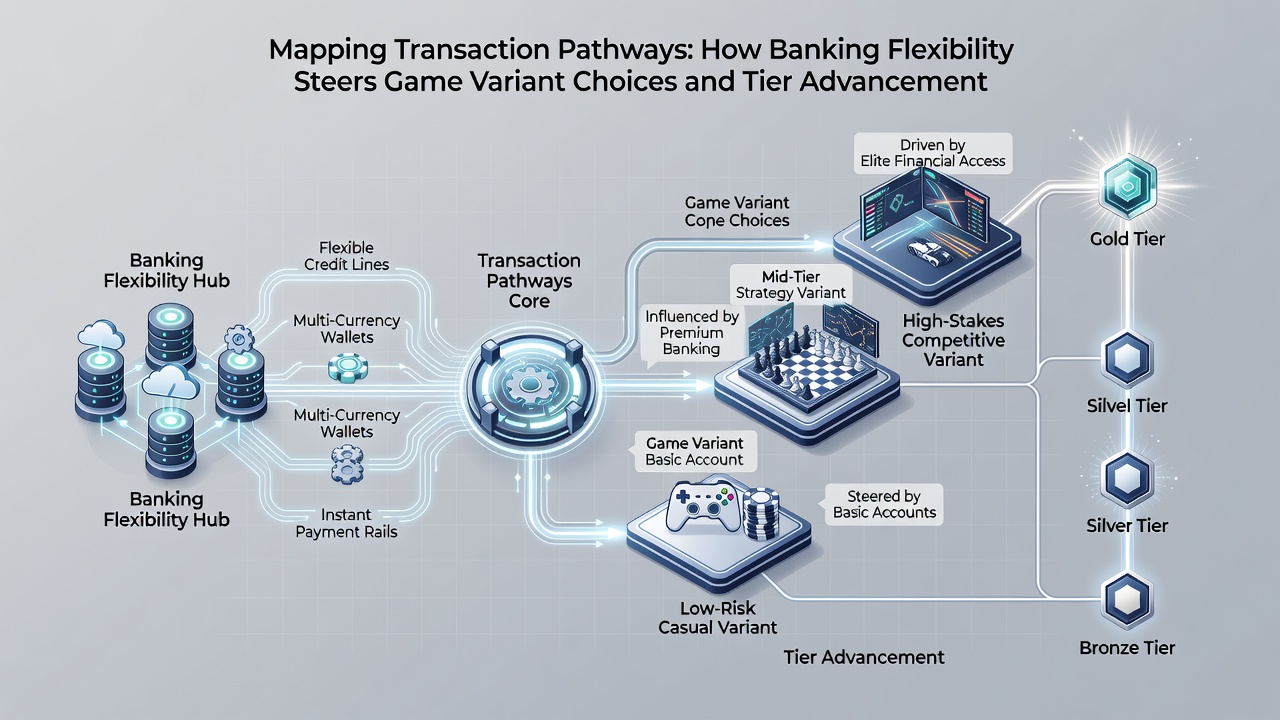
Tier progression in mobile loyalty programs depends on consistent play volume and deposit frequency both of which accelerate when banking options support seamless movement between games. Accounts that route funds through multiple flexible pathways accumulate reward points faster because they avoid the interruptions common with legacy transfer methods. Figures released by the New Jersey Division of Gaming Enforcement for the period ending June 2026 show that players completing at least four instant transactions per week advanced one tier level 1.7 times faster on average than those relying on single daily card deposits. The acceleration stems from the ability to respond immediately to promotional triggers and to sustain activity across live and reel formats without waiting for approval windows.
Regional Regulatory Context and Data Trends
Regulatory frameworks in multiple markets now track how payment method availability affects both game selection and loyalty metrics. Australian government reports on interactive gambling for the 2025-2026 fiscal year documented increased cross-format play among users of instant settlement services while Canadian provincial summaries highlighted similar patterns in tier advancement rates. These records demonstrate that banking flexibility functions as a structural driver rather than a secondary feature because it directly modulates the number of decisions a player can execute within a given timeframe on portable devices.
Examples of Pathway Influence on Mobile Sessions
Take the case of one cohort tracked through platform analytics where participants using diversified transfer options moved between live blackjack variants and reel progressives within the same hour while maintaining deposit streaks that unlocked higher reward multipliers. Another dataset covering European operators revealed that delayed transfer users concentrated activity in reel formats during early morning hours when live tables operated at lower volumes yet still achieved comparable tier movement once they adopted faster banking routes. Such examples illustrate how transaction pathways operate as decision levers that reshape both immediate game choices and longer-term advancement trajectories.
Conclusion
Transaction pathway mapping reveals consistent connections between banking flexibility and the distribution of play across live and reel formats together with measurable effects on loyalty tier speed. Data from regulatory bodies and platform analytics continue to show that shorter confirmation intervals expand the range of viable game variants while simultaneously increasing the frequency of reward-eligible actions. These relationships remain observable across jurisdictions because the underlying mechanics of funding speed and session continuity operate independently of specific market rules or operator designs.