The Silent Influence of Transaction Speed on VIP Tier Climbing in Mobile Live Gaming Sessions
Carlo Hoffmann · Jun 30, 2026
The Silent Influence of Transaction Speed on VIP Tier Climbing in Mobile Live Gaming Sessions
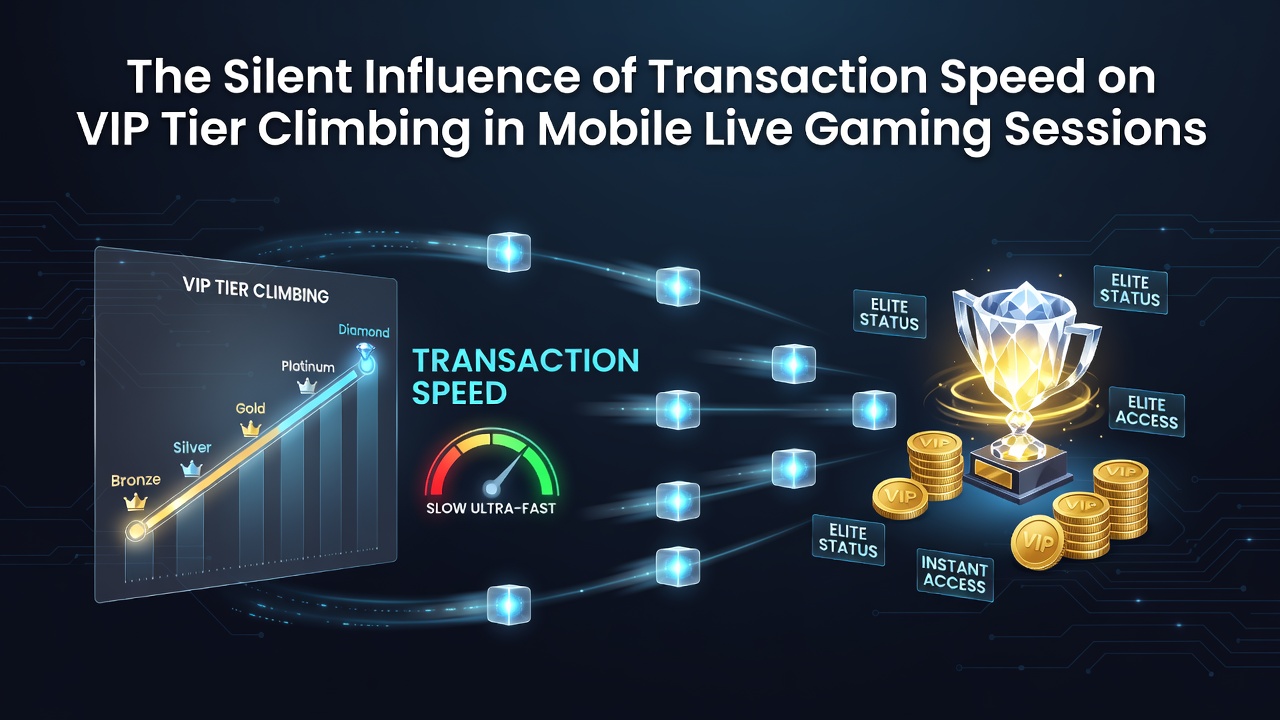
Transaction speed has emerged as a key factor in how players advance through VIP tiers during mobile live gaming sessions, where live dealer interactions unfold in real time across smartphone platforms. Data from industry monitoring shows that platforms processing deposits and withdrawals within seconds enable higher session volumes, which in turn accelerate point accumulation toward elevated loyalty levels. Observers note that slower processing times, often spanning several minutes, interrupt play flow and reduce the total hands or spins completed in a single session.
How Processing Times Shape Session Volume
Live gaming on mobile devices relies on continuous player engagement with dealers in games such as blackjack, roulette, and baccarat. When transaction confirmations arrive quickly, users maintain momentum without exiting the app to check external banking portals. Figures from regional regulatory summaries indicate that average session lengths increase by measurable margins on platforms equipped with instant transfer capabilities. Researchers tracking user behavior across multiple jurisdictions found correlations between sub-10-second processing windows and elevated weekly activity metrics.
Players who experience delays frequently pause their sessions to resolve funding issues, which fragments their participation and limits the accumulation of tier points tied to wager volume. This pattern holds across both iOS and Android environments, where network stability combines with backend payment gateways to determine overall throughput. Data collected during peak evening hours in June 2026 revealed that platforms advertising real-time settlements recorded higher retention rates among users pursuing mid-tier status upgrades.
Point Systems and Real-Time Rewards Integration
VIP structures in mobile live gaming typically award points based on total wagered amounts within defined timeframes, with faster tiers unlocking additional perks such as dedicated dealer tables or accelerated cashback rates. Transaction velocity influences these calculations because quicker deposits allow immediate re-entry into active tables without waiting periods. Industry reports from bodies like the Canadian Gaming Association highlight that seamless payment rails support sustained play patterns that compound point totals more rapidly than fragmented sessions interrupted by manual transfers.
Live dealer formats add another layer, since table minimums and betting limits remain constant while players navigate between rounds. Those who complete transfers in under five seconds maintain their seat positions and continue accumulating qualifying wagers, whereas slower confirmations force temporary exits that reset streak bonuses in some programs. Analysts examining portable gaming interfaces documented cases where users upgraded from silver to gold tiers within shorter calendar windows when paired with instant banking options.

Regional Patterns Observed in 2026
North American markets have shown distinct trends tied to payment infrastructure upgrades rolled out earlier in the year. Regulatory filings from the Nevada Gaming Control Board detail increased mobile transaction volumes coinciding with expanded VIP enrollment figures during the spring transition into summer. Similar observations appear in European data sets, where platforms integrating local banking networks reported steadier tier climbs among frequent live-session participants.
Asia-Pacific operators have adopted comparable approaches, with several jurisdictions documenting how reduced latency in fund movements correlates with elevated loyalty program participation. A study released by the University of Sydney's gambling research unit examined user logs across selected apps and identified processing speed as a secondary driver behind tier advancement rates, alongside primary factors such as game selection and session frequency. These findings align with broader industry tracking that separates transaction efficiency from marketing-driven incentives.
Technical Elements Behind the Influence
Backend systems connecting mobile apps to payment processors determine whether a deposit clears before the next dealer shuffle or card deal. Protocols using tokenized wallets and pre-verified accounts minimize verification steps, allowing play to resume within the same minute. In contrast, legacy bank transfer methods introduce variable delays that depend on clearing house schedules rather than app performance.
Live gaming sessions amplify these differences because table availability and dealer pacing continue regardless of individual player funding status. Participants relying on rapid reloads stay competitive at higher-stakes tables, where point multipliers often apply. Technical audits conducted by independent testing labs confirm that optimized gateways reduce average downtime between transactions to negligible levels, supporting uninterrupted progression tracking.
Conclusion
Transaction speed operates as an underlying mechanism that affects the pace of VIP tier advancement in mobile live gaming environments. Available data links faster processing directly to increased session continuity and point accumulation rates across multiple regions. Regulatory records and academic examinations continue to track these relationships as payment technologies evolve alongside platform capabilities through 2026 and beyond.