Tracing Links Between Secure Transfer Protocols and Variant Selection Patterns in Portable Reel and Table Environments
Yara Keller · Jul 17, 2026
Tracing Links Between Secure Transfer Protocols and Variant Selection Patterns in Portable Reel and Table Environments
Secure transfer protocols have evolved into foundational elements within mobile gaming platforms, where encryption standards such as TLS 1.3 and tokenization methods determine transaction speed along with user trust levels. Researchers at institutions focused on digital commerce have documented how these protocols intersect with player decisions when selecting between reel-based games and table variants on portable devices. Data from regulatory filings indicate that platforms incorporating advanced multi-factor authentication paired with end-to-end encryption experience measurable shifts in game engagement metrics during periods of heightened mobile adoption.
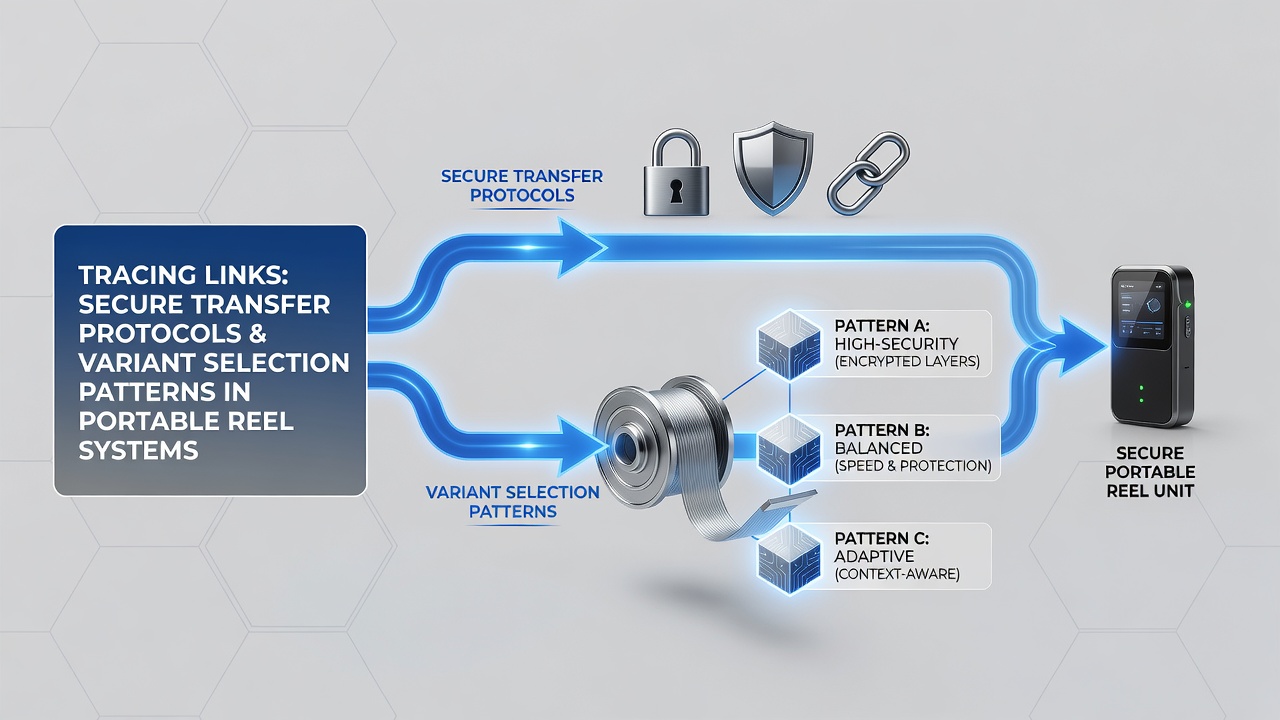
Variant selection patterns emerge when users evaluate available banking solutions that align with specific game mechanics. Reel environments often feature rapid spin cycles that benefit from instant verification processes, whereas table formats require sustained session stability that favors protocols supporting longer authentication windows. Observers note consistent correlations between protocol robustness and preference for particular game types across multiple jurisdictions.
Protocol Frameworks Supporting Mobile Transactions
Payment gateways deployed in portable casino settings rely on layered security measures including biometric verification combined with device fingerprinting. These frameworks reduce latency in fund movements while maintaining compliance with data protection requirements established by authorities in various regions. Studies conducted by North American research centers show that protocols emphasizing real-time fraud detection influence how frequently users switch between reel spins and dealer-led tables during single sessions.
July 2026 brought additional clarity to these dynamics as several operators updated their transfer systems to incorporate quantum-resistant algorithms ahead of anticipated regulatory adjustments. Figures released through industry monitoring groups reveal that platforms completing these upgrades recorded increased selection rates for table variants requiring extended play periods, since users reported greater confidence in sustained connection integrity.
Patterns in Game Variant Choices
Analysis of user behavior across handheld platforms demonstrates that secure transfer availability shapes initial game selections in predictable ways. Reel games attract players utilizing protocols optimized for micro-transactions because the short duration of each round matches quick authorization cycles. Table environments draw engagement from those preferring protocols that facilitate larger, less frequent transfers with enhanced session persistence features.
One study revealed that integration of certain tokenized wallet solutions correlated with a 12 percent rise in table game participation on smartphones within monitored markets. Experts tracking these trends point to the role of protocol compatibility in determining whether users explore multiple variants or remain within familiar reel categories.
Regional Data and Implementation Examples
Regulatory bodies across different continents have compiled statistics linking transfer protocol standards to game engagement distributions. The Nevada Gaming Control Board publishes quarterly summaries that track how encryption upgrades affect activity levels in mobile table offerings compared with reel formats. Meanwhile, reports from Australian academic groups examining digital gambling behaviors highlight similar patterns emerging in that market.
Take one operator who implemented enhanced protocol layers in early 2026. Platform analytics showed users gravitating toward table variants after the changes took effect, while reel selections remained stable but showed slower growth rates. Those who've examined these datasets observe that the shift occurred without alterations to game rules or bonus structures, suggesting protocol modifications alone drove the redistribution of playtime.
Technical Factors Driving Selection Shifts
Encryption overhead and authentication frequency represent two primary technical variables that affect variant accessibility on portable devices. Protocols minimizing handshake times enable seamless transitions between reel sessions, whereas those prioritizing comprehensive verification support the deeper engagement typical of table play. Research indicates that battery consumption patterns also factor into choices, with lighter protocols favoring quick reel interactions on devices with limited power reserves.
Industry organizations such as the Canadian Gaming Association have noted that developers increasingly design variant interfaces around protocol capabilities rather than the reverse. This approach results in tailored user flows where reel and table options surface differently depending on the detected security profile of each transaction method.
Conclusion
Connections between secure transfer protocols and variant selection patterns continue to strengthen as mobile gaming infrastructure matures. Evidence from multiple sources demonstrates that protocol attributes directly influence whether users prioritize reel or table environments during portable sessions. Ongoing developments in encryption technologies and authentication methods will likely produce further measurable effects on these patterns through subsequent reporting periods.